
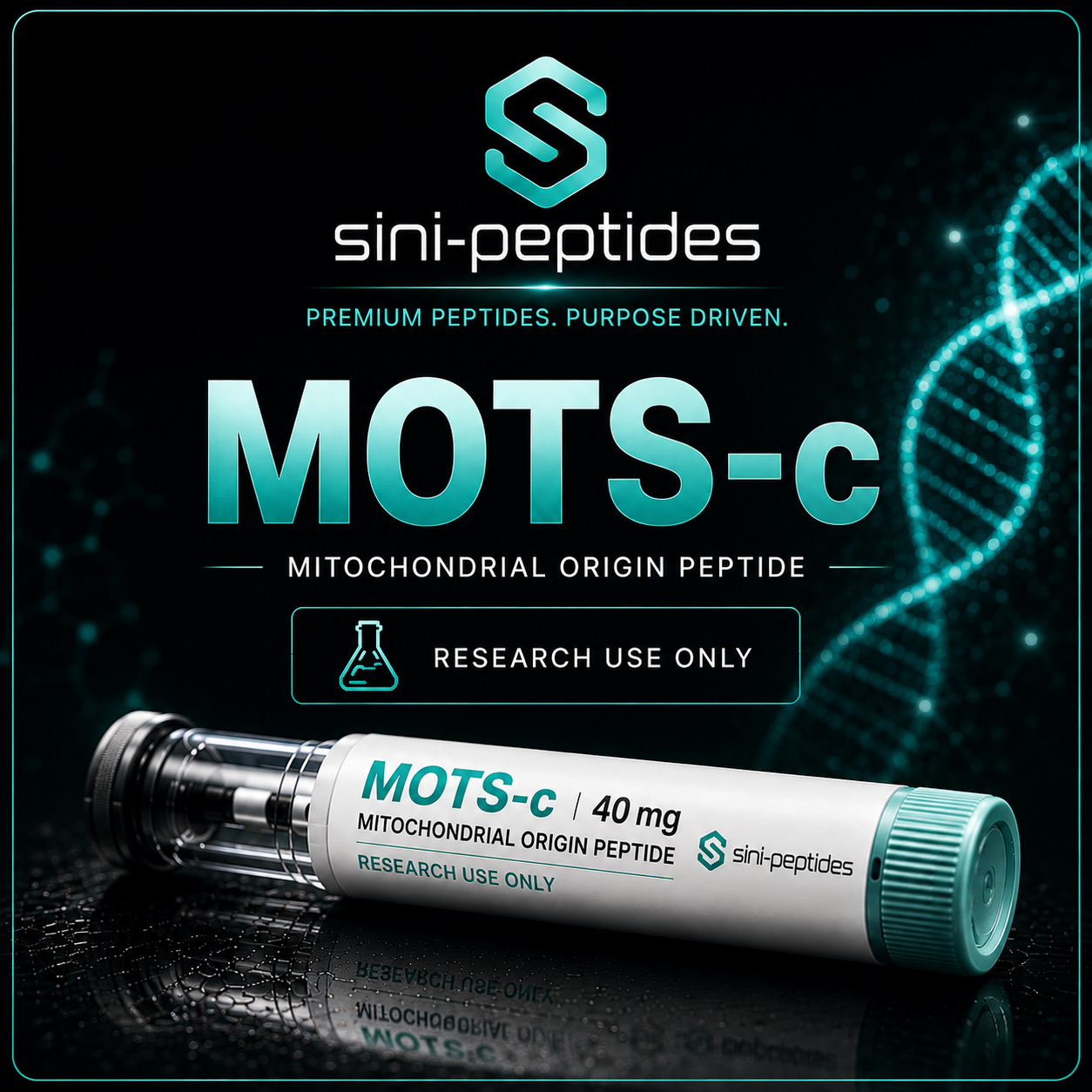
Description

MOTS-c is an exercise-induced mitochondrial peptide that helps regulate metabolism and physical performance; research shows exercise increases MOTS-c levels in humans. In animal and cell studies, MOTS-c improves physical performance and helps regulate skeletal muscle metabolism and gene expression, partly through the AMPK pathway
Overview of MOTS-c
MOTS-c is a 16-amino acid peptide derived from mitochondrial DNA. It plays a significant role in regulating metabolism and enhancing physical performance, particularly in response to exercise.
Functions of MOTS-c
Metabolic Regulation
Glucose Metabolism: MOTS-c helps regulate glucose levels in the body, improving insulin sensitivity and glucose uptake in muscle cells.
Fat Oxidation: It promotes the burning of fat, making it beneficial for weight management and metabolic health.
Physical Performance Enhancement
Exercise Response: Levels of MOTS-c increase during exercise, which is linked to improved physical performance and endurance.
Cellular Energy Management: It activates AMPK (AMP-activated protein kinase), a key regulator of cellular energy, which helps cells adapt to energy demands.
Gene Expression
Skeletal Muscle Metabolism: MOTS-c influences gene expression related to muscle metabolism, aiding in the adaptation to physical stress and enhancing overall metabolic flexibility.
Summary of Benefits
Benefit Description
Improved Insulin Sensitivity Enhances glucose uptake without insulin spikes
Increased Fat Oxidation Promotes efficient fat burning during caloric restriction
Enhanced Physical Performance Boosts endurance and recovery during exercise
MOTS-c is still under research, and while it shows promise in these areas, it is not yet approved for medical use.





Reviews
There are no reviews yet.